


‘Why I Sold Linkedln to Microsoft for $26.2bn’

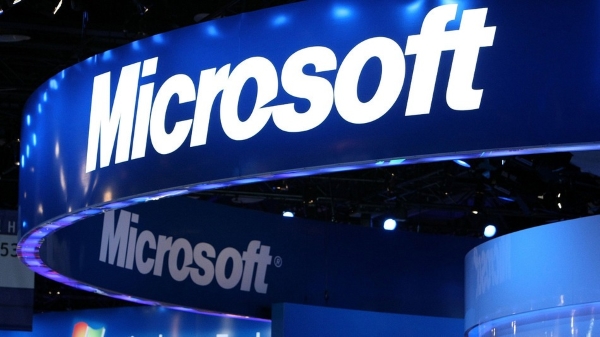
Microsoft announced yesterday that it would acquire professional networking site LinkedIn for $196 per share in an all-cash transaction valued at $26.2 billion.

In an email to LinkedIn employees, LinkedIn CEO Jeff Weiner explained why he decided to sell the company to Microsoft. Weiner mentions Microsoft CEO, Satya Nadella’s leadership as a driving factor.

“The Microsoft that has evolved under Satya’s leadership is a more agile, innovative, open and purpose-driven company,” Weiner wrote.

“It was the latter point that first had me thinking we could make this work, but it was his thoughts on how we’d do it that got me truly excited about the prospect.”

Weiner shared some ideas for how LinkedIn’s services could be integrated into Microsoft’s products, such as weaving LinkedIn’s graph into Outlook, Calendar, Office, Windows, and other Microsoft apps.

The LinkedIn CEO also said the company would remain a fully independent entity within Microsoft.

Hot this week

Sub-Saharan Africa Food Import Bill to Hit $70.2bn in 2026, a Rise of 10.5%

  The UN Food and Agriculture Organisation expects sub-Saharan...

NECA to Reward Employers for Resilience, Contribution to National Development

The Nigeria Employers’ Consultative Association (NECA) says it will...

IGP, Olatunji Disu, Emerges Nigeria Judo President, Unveils Championship in Lagos

The Inspector-General of Police (I-G), Mr. Olatunji Disu and...

AI-Generated Voters Register: SERAP Sues INEC, NDPC

The Socio-Economic Rights and Accountability Project (SERAP) has filed...

Google Selects 10 Startups for Inaugural Africa Applied AI Lab Cohort

Google has selected 10 startups for the first cohort...

Topics

FG Commends Indorama on Cheap Fertilizers for Farmers

The Presidential Committee on Fertilizer Initiative (PCFI) has expressed...

Africa, ME, Turkey ICT Spend Forecast at $243bn in 2017

ICT spending in the Middle East, Turkey, and Africa...

Almond Insurance Consumers Forum, Nite Set for Nov 22

Almond Productions Limited, promoters of the annual Insurance Consumers'...

Fidelity Bank: Reaffirming Brand Promise Through Rebranding

In today’s corporate environment, three key ingredients are necessary for any organisation to remain relevant and profitable: Ability to engage the client; dynamism, and flexibility. Very few organisations have exhibited these traits over the past two decades more than Fidelity Bank Plc. The recent refresh of Fidelity Bank’s corporate identity, the latest in its 27-year history, speaks to these important traits and the need to remain relevant in the world of corporate giants.

Total, French Embassy Collaborate on Educational Dev in Nigeria

A joint scholarship scheme ("TQJS") titled TEPNG/ Quai d’Orsay,...

Entrepreneurship: The Lonely Road to Sustainable Financial Future (2)

I honestly did not plan to pen Part 2 of this article (above) l did last week. But the response from our readers was overwhelming and many requested a follow-up. The message is very clear: Many Nigerians are eager to leave paid employment behind and plot their own destiny on their own terms. Even with all the bumps and spikes in the Nigerian business environment staked against entrepreneurs and small business owners, many still consider the Entrepreneur Route as the best route to their financial stability and future. A job is a job. A business is a business! It would be pertinent at this stage to look at key factors that would be of profound interest to existing and potential entrepreneurs.

Debts Issuances in Sub-Saharan Africa Fall 10% in 1st Half 2016 to $6.9bn

Debts issued by the Sub-Saharan African (SSA) States and...

Nigeria’s Adekeye Emerges Chairperson, APPO Training Directors

L-R: Secretary General, African Petroleum Producers Organisation (APPO), Dr....