





Africa’s overall mobile phone market shipments declined 6.0% year on year (YoY) in Q3 2020, according to the latest insights from global technology research and consulting firm International Data Corporation (IDC).
The firm’s newly published Quarterly Global Mobile Phone Tracker shows that the decline stemmed mainly from feature phones, with shipments of these devices declining 11.2% YoY in Q3 2020 to total 29.4 million units.
By contrast, smartphone shipments were up a healthy 14.1% YoY, with 22.9 million smartphones shipped to the region during the quarter. The growth of the smartphone market was caused by the release of pent-up demand after countries eased their COVID-19 lockdown restrictions and by a shift in vendor strategies to offer more entry-level flagship models.
Rising unemployment rates and economic uncertainty caused by the COVID-19 pandemic continue to shift consumer buying patterns toward affordable and feature-rich products. Africa’s largest smartphone markets recorded mixed performances – Egypt and Nigeria both posted YoY growth in Q3 2020, while South Africa suffered a YoY decline. Smartphone shipments to Nigeria grew due to a shift from vendors to entry-level and mid-range devices.
Similarly, the Egyptian smartphone market grew as vendors offered devices with more competitive prices, larger screens, and improved features. Despite, experiencing a 13.4% YoY decline in shipments, South Africa continued to lead the way in Africa’s smartphone market, with shipments to the country totaling 3.3 million units.
“While South Africa’s smartphone market experienced a YoY decline, shipments actually increased 17.8% QoQ as lockdown restrictions were lifted and the channels replenished their inventories for Q4 promotions,” says Arnold Ponela, a research analyst at IDC. “South Africa is struggling with economic hardships, but smartphones have become an essential consumer item, making it a resilient market in a downturn.”
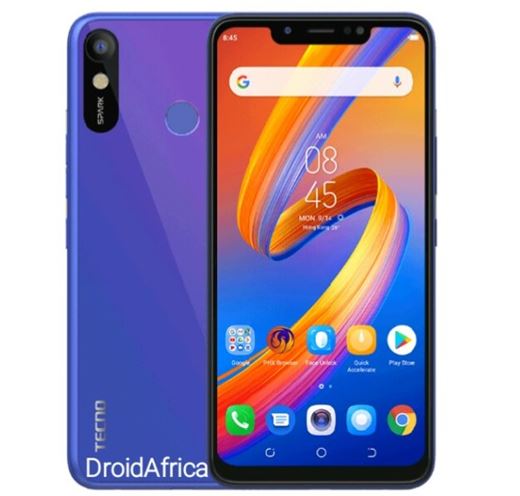
Transsion brands (Tecno, Itel, and Infinix) continued to dominate Africa’s smartphone space in Q3 2020, with 42.2% unit share. Samsung and Huawei followed in second and third place, with respective unit shares of 19.9% and 8.7%.
The Transsion brands (Tecno and Itel) also dominated the feature phone landscape with a combined share of 76.6%. Nokia came in third with 8.0% share of feature phone shipments.
In terms of price bands, devices priced below $200 accounted for 89.3% of smartphone shipments to Africa in Q3 2020. The share of smartphones priced below $100 declined slightly from 53.8% in Q2 2020 to 53.0% in Q3 2020, while the share of devices priced $100-$200 increased from 34.7% to 36.3% over the same period.
“Demand for entry-level smartphones was driven by e-learning requirements since smartphones are the only device offering internet access for most households in Africa,” says Ramazan Yavuz, a Senior Research Manager at IDC. “The mid-range segment ($200<$500) declined YoY, as consumers held back on upgrading to more expensive smartphones due to economic uncertainties."
Looking ahead, IDC expects the recovery in shipments seen in Q3 to continue through Q4 2020 during the festive months, with overall shipments expected to grow 4.6% quarter on quarter. The prospects for 2021 will depend on improvements in the overall economy, which will be largely dictated by the availability of a COVID-19 vaccine.
Aside from this factor, all market indicators are pointing towards supply-chain constraints fully easing out during the second half of 2021, with demand returning to normal as economic recovery starts.

Africa’s Mobile Phone Shipment Declines 6% in Q3 2020












Popular Categories




